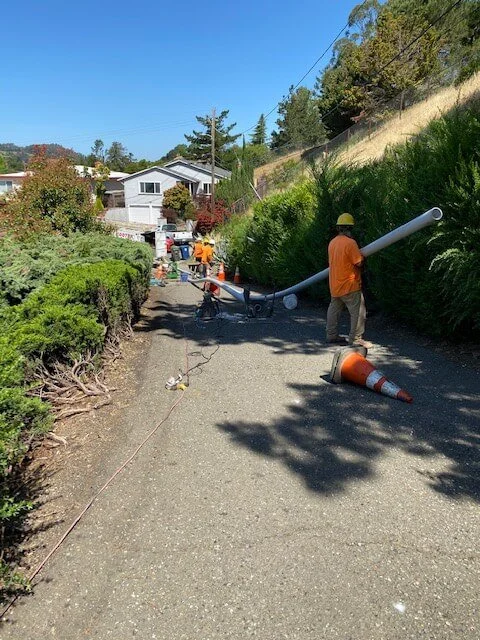
Recurring Clogs That Won’t Stay Fixed: When Cleaning Isn’t Enough
A clogged drain is frustrating, but a clog that keeps coming back can point to a deeper plumbing problem. While occasional blockages are common, repeated backups often mean there is something happening beyond the visible drain opening. For homeowners, knowing when cleaning is enough and when the sewer line needs closer attention can help prevent bigger repairs later.
Why Some Clogs Keep Returning
Most simple clogs form near the fixture. Hair, soap scum, food scraps, grease, or paper products can collect in a sink, tub, or toilet line. In these cases, careful plunging or professional drain cleaning may restore normal flow.
Recurring clogs are different. If the same drain blocks repeatedly, or several fixtures slow down at the same time, the issue may be farther down in the main sewer line. This can happen when there is a structural problem inside the pipe, not just a buildup of debris.
Common causes include:
Tree roots growing into pipe joints or cracks
Grease buildup deep in the line
Pipe bellies where wastewater collects
Cracked, offset, or deteriorating pipe sections
Collapsed areas that restrict flow
Once these conditions develop, basic cleaning may only provide short-term relief.
When Cleaning Only Treats the Symptom
Professional cleaning can remove many obstructions, but it cannot always correct the condition that caused them. For example, roots can be cut out of a sewer line, but they may grow back if the pipe opening remains. A sagging pipe may be cleared, but water and debris can collect in the low spot again.
This is why repeated service calls for the same issue should be treated as a warning sign. The clog may not be the real problem. It may be a symptom of a damaged or aging sewer line that needs a more complete solution.
Warning Signs Homeowners Should Watch For
Recurring clogs are not always dramatic at first. They often begin as small changes in how the plumbing system behaves. Paying attention early can help prevent a messy backup.
Watch for signs such as:
Toilets that gurgle when nearby sinks or tubs drain
Water backing up into showers or floor drains
Sewer odors near drains or outside the home
Slow drainage in more than one fixture
Clogs that return soon after cleaning
When several of these signs appear together, it is time to consider a professional inspection.
How Plumbers Find the Root Cause
A licensed plumber can use a sewer camera to inspect the inside of the line. This helps identify whether the issue is buildup, roots, cracking, pipe separation, or another problem. The inspection can also show where the issue is located and how severe it is.
From there, a provider offering professional plumbing services for recurring drain problems can explain whether cleaning, repair, or replacement makes the most sense. This prevents unnecessary guesswork and helps homeowners choose the most reliable path forward.
When Replacement Becomes the Better Option
If the pipe is badly damaged or the same section fails repeatedly, replacement may be more practical than ongoing cleaning. In many cases, advanced trenchless sewer replacement solutions can restore the line through small access points instead of requiring a long open trench.
These methods are often helpful when homeowners want to reduce disruption to landscaping, driveways, patios, or walkways. However, trenchless work depends on the condition of the existing line. If the pipe has collapsed or shifted too severely, another method may be needed.
A Smarter Way to Protect Your Plumbing
Recurring clogs should not be ignored or treated as normal. They are often the plumbing system’s way of showing that something deeper needs attention.By scheduling an inspection and considering modern trenchless sewer replacement options when appropriate, homeowners can stop the cycle of temporary fixes, protect their property, and restore confidence in their plumbing system.
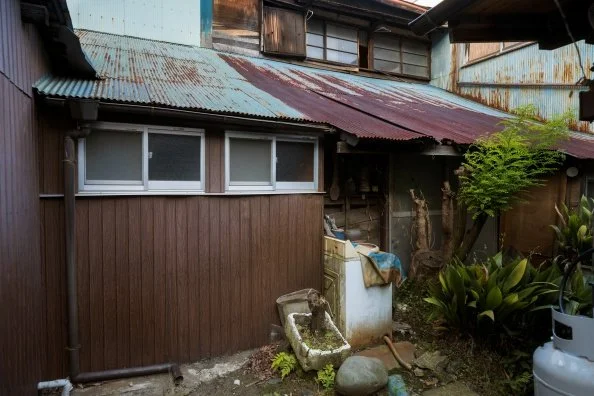
Why Older Homes Are More Likely to Need Sewer Replacement
Older homes often come with charm, character, and established neighborhoods, but they can also bring hidden plumbing challenges. One of the most common issues is an aging sewer line. While these systems may have worked reliably for decades, time, materials, and environmental factors can gradually weaken underground pipes. Understanding why older homes are more prone to sewer problems can help homeowners take proactive steps before small issues turn into costly repairs.
Aging Materials and Wear Over Time
Many older homes were built using materials that are no longer common in modern plumbing. Clay, cast iron, and Orangeburg pipes were widely used in the past, but each has limitations when it comes to long-term durability.
Over time, these materials can:
Crack or fracture due to ground movement
Corrode or deteriorate internally
Develop weak joints that allow leaks
Collapse under pressure or soil shifting
Even minor deterioration can disrupt proper flow. As pipes age, their ability to handle daily wastewater demands decreases, increasing the likelihood of clogs and structural issues.
Increased Risk of Root Intrusion
Mature trees are often a defining feature of older properties, but they can also pose a risk to sewer lines. As roots grow deeper and wider, they naturally seek out moisture sources underground. Small cracks or loose joints in aging pipes create ideal entry points.
Once inside, roots expand and trap debris, restricting flow and leading to recurring blockages. Homeowners may notice slow drains or backups affecting multiple fixtures, which often signals a deeper issue within the main sewer line rather than a single drain.
Ground Movement and Soil Changes
Over the years, soil conditions around a home can change due to weather patterns, moisture levels, and natural settling. These shifts can place stress on sewer lines, especially those already weakened by age.
In some cases, pipes may develop low spots or “bellies” where water collects instead of flowing properly. In others, sections may shift out of alignment or separate at the joints. These structural changes often lead to persistent drainage issues that simple cleaning cannot resolve.
Why Repairs May Not Be Enough
For newer systems, isolated repairs can often extend the life of a sewer line. However, in older homes, multiple sections of pipe may already be compromised. Fixing one area may not prevent future problems elsewhere along the line.
This is why homeowners with aging systems are often advised to consider long-term solutions rather than repeated short-term fixes. A professional inspection can help determine whether repair or replacement is the more reliable option.
Modern Solutions for Aging Sewer Systems
Advancements in plumbing technology have made sewer replacement less disruptive than it once was. Instead of extensive excavation, many properties can benefit from advanced trenchless sewer replacement solutions that restore functionality through small access points.
These methods can create a durable new pipe within or alongside the existing line while minimizing impact on landscaping, driveways, and outdoor structures. They are often suitable when the pipe has deteriorated but still maintains a continuous path for installation.
Working with a team that provides comprehensive plumbing services for older home systems ensures that all factors are considered, including pipe condition, soil environment, and long-term performance.
Planning Ahead for Long-Term Reliability
Owning an older home does not mean plumbing problems are inevitable, but it does require a proactive approach. Periodic inspections, attention to early warning signs, and thoughtful planning can help homeowners avoid unexpected failures.
If signs of deterioration are already present, exploring modern no-dig sewer line replacement options may offer a practical way to upgrade the system while preserving the property’s character.
Older homes offer lasting value, but their infrastructure may need updates to keep up with modern demands. By addressing sewer line issues early and choosing the right solution, homeowners can protect their investment and maintain reliable plumbing for years to come.