Recurring Clogs That Won’t Stay Fixed: When Cleaning Isn’t Enough
A clogged drain is frustrating, but a clog that keeps coming back can point to a deeper plumbing problem. While occasional blockages are common, repeated backups often mean there is something happening beyond the visible drain opening. For homeowners, knowing when cleaning is enough and when the sewer line needs closer attention can help prevent bigger repairs later.
Why Some Clogs Keep Returning
Most simple clogs form near the fixture. Hair, soap scum, food scraps, grease, or paper products can collect in a sink, tub, or toilet line. In these cases, careful plunging or professional drain cleaning may restore normal flow.
Recurring clogs are different. If the same drain blocks repeatedly, or several fixtures slow down at the same time, the issue may be farther down in the main sewer line. This can happen when there is a structural problem inside the pipe, not just a buildup of debris.
Common causes include:
Tree roots growing into pipe joints or cracks
Grease buildup deep in the line
Pipe bellies where wastewater collects
Cracked, offset, or deteriorating pipe sections
Collapsed areas that restrict flow
Once these conditions develop, basic cleaning may only provide short-term relief.
When Cleaning Only Treats the Symptom
Professional cleaning can remove many obstructions, but it cannot always correct the condition that caused them. For example, roots can be cut out of a sewer line, but they may grow back if the pipe opening remains. A sagging pipe may be cleared, but water and debris can collect in the low spot again.
This is why repeated service calls for the same issue should be treated as a warning sign. The clog may not be the real problem. It may be a symptom of a damaged or aging sewer line that needs a more complete solution.
Warning Signs Homeowners Should Watch For
Recurring clogs are not always dramatic at first. They often begin as small changes in how the plumbing system behaves. Paying attention early can help prevent a messy backup.
Watch for signs such as:
Toilets that gurgle when nearby sinks or tubs drain
Water backing up into showers or floor drains
Sewer odors near drains or outside the home
Slow drainage in more than one fixture
Clogs that return soon after cleaning
When several of these signs appear together, it is time to consider a professional inspection.
How Plumbers Find the Root Cause
A licensed plumber can use a sewer camera to inspect the inside of the line. This helps identify whether the issue is buildup, roots, cracking, pipe separation, or another problem. The inspection can also show where the issue is located and how severe it is.
From there, a provider offering professional plumbing services for recurring drain problems can explain whether cleaning, repair, or replacement makes the most sense. This prevents unnecessary guesswork and helps homeowners choose the most reliable path forward.
When Replacement Becomes the Better Option
If the pipe is badly damaged or the same section fails repeatedly, replacement may be more practical than ongoing cleaning. In many cases, advanced trenchless sewer replacement solutions can restore the line through small access points instead of requiring a long open trench.
These methods are often helpful when homeowners want to reduce disruption to landscaping, driveways, patios, or walkways. However, trenchless work depends on the condition of the existing line. If the pipe has collapsed or shifted too severely, another method may be needed.
A Smarter Way to Protect Your Plumbing
Recurring clogs should not be ignored or treated as normal. They are often the plumbing system’s way of showing that something deeper needs attention.By scheduling an inspection and considering modern trenchless sewer replacement options when appropriate, homeowners can stop the cycle of temporary fixes, protect their property, and restore confidence in their plumbing system.
Why Older Homes Are More Likely to Need Sewer Replacement
Older homes often come with charm, character, and established neighborhoods, but they can also bring hidden plumbing challenges. One of the most common issues is an aging sewer line. While these systems may have worked reliably for decades, time, materials, and environmental factors can gradually weaken underground pipes. Understanding why older homes are more prone to sewer problems can help homeowners take proactive steps before small issues turn into costly repairs.
Aging Materials and Wear Over Time
Many older homes were built using materials that are no longer common in modern plumbing. Clay, cast iron, and Orangeburg pipes were widely used in the past, but each has limitations when it comes to long-term durability.
Over time, these materials can:
Crack or fracture due to ground movement
Corrode or deteriorate internally
Develop weak joints that allow leaks
Collapse under pressure or soil shifting
Even minor deterioration can disrupt proper flow. As pipes age, their ability to handle daily wastewater demands decreases, increasing the likelihood of clogs and structural issues.
Increased Risk of Root Intrusion
Mature trees are often a defining feature of older properties, but they can also pose a risk to sewer lines. As roots grow deeper and wider, they naturally seek out moisture sources underground. Small cracks or loose joints in aging pipes create ideal entry points.
Once inside, roots expand and trap debris, restricting flow and leading to recurring blockages. Homeowners may notice slow drains or backups affecting multiple fixtures, which often signals a deeper issue within the main sewer line rather than a single drain.
Ground Movement and Soil Changes
Over the years, soil conditions around a home can change due to weather patterns, moisture levels, and natural settling. These shifts can place stress on sewer lines, especially those already weakened by age.
In some cases, pipes may develop low spots or “bellies” where water collects instead of flowing properly. In others, sections may shift out of alignment or separate at the joints. These structural changes often lead to persistent drainage issues that simple cleaning cannot resolve.
Why Repairs May Not Be Enough
For newer systems, isolated repairs can often extend the life of a sewer line. However, in older homes, multiple sections of pipe may already be compromised. Fixing one area may not prevent future problems elsewhere along the line.
This is why homeowners with aging systems are often advised to consider long-term solutions rather than repeated short-term fixes. A professional inspection can help determine whether repair or replacement is the more reliable option.
Modern Solutions for Aging Sewer Systems
Advancements in plumbing technology have made sewer replacement less disruptive than it once was. Instead of extensive excavation, many properties can benefit from advanced trenchless sewer replacement solutions that restore functionality through small access points.
These methods can create a durable new pipe within or alongside the existing line while minimizing impact on landscaping, driveways, and outdoor structures. They are often suitable when the pipe has deteriorated but still maintains a continuous path for installation.
Working with a team that provides comprehensive plumbing services for older home systems ensures that all factors are considered, including pipe condition, soil environment, and long-term performance.
Planning Ahead for Long-Term Reliability
Owning an older home does not mean plumbing problems are inevitable, but it does require a proactive approach. Periodic inspections, attention to early warning signs, and thoughtful planning can help homeowners avoid unexpected failures.
If signs of deterioration are already present, exploring modern no-dig sewer line replacement options may offer a practical way to upgrade the system while preserving the property’s character.
Older homes offer lasting value, but their infrastructure may need updates to keep up with modern demands. By addressing sewer line issues early and choosing the right solution, homeowners can protect their investment and maintain reliable plumbing for years to come.
Camera Inspections Explained: How Plumbers Diagnose Underground Problems
Underground plumbing problems can be difficult to identify because most of the system is hidden from view. When drains slow down, odors appear, or backups occur, guessing at the cause often leads to temporary fixes rather than lasting solutions. That is why professional plumbers rely on sewer camera inspections to diagnose issues accurately before recommending repairs.
What a Sewer Camera Inspection Involves
A sewer camera inspection uses a waterproof camera attached to a flexible cable that is inserted into the pipe through an existing access point. As the camera travels through the line, it sends real-time video to a monitor above ground. This allows technicians to see exactly what is happening inside the pipe without digging.
The inspection can reveal a wide range of problems, including:
Tree root intrusion
Grease or debris buildup
Cracks or holes in the pipe
Offset or separated joints
Collapsed sections
Low spots where water collects
Because the footage is recorded, plumbers can also pinpoint the precise location and depth of the issue, making repairs more efficient.
Why Accurate Diagnosis Matters
Without visual confirmation, homeowners may spend money on repeated cleanings that only address symptoms. For example, a recurring clog could be caused by a structural defect rather than simple buildup. Problems affecting multiple fixtures often indicate trouble in the main sewer line, not just a single drain.
Camera inspections remove uncertainty and help ensure that any recommended work targets the true cause of the problem. This approach can prevent unnecessary excavation and reduce the risk of recurring emergencies.
When an Inspection Is Especially Helpful
Plumbers commonly recommend camera inspections in situations such as:
Repeated backups despite prior cleaning
Slow drainage throughout the home
Purchasing an older property
Suspected tree root intrusion
Planning major renovations that affect plumbing
Locating a lost or undocumented sewer line
Even when no immediate problem is present, inspections can serve as a preventive tool to evaluate the condition of aging pipes.
How Inspections Guide Repair Decisions
Once the condition of the pipe is known, plumbers can determine whether cleaning, repair, or replacement is the most appropriate solution. If the pipe is cracked or deteriorating but still structurally intact, homeowners may benefit from advanced trenchless sewer replacement solutions that restore function through small access points rather than extensive digging.
Trenchless methods are often suitable when the pipe has damage but maintains a continuous path for equipment to pass through. If severe collapse or deformation is present, traditional excavation may still be necessary. A detailed inspection provides the information needed to choose the safest long-term option.
Working with a company that offers comprehensive plumbing services for underground pipe evaluation ensures that all possible solutions are considered, not just one approach.
Peace of Mind for Homeowners
One of the greatest benefits of a camera inspection is clarity. Instead of wondering what is happening beneath the yard or foundation, homeowners receive visual evidence and a clear explanation of the problem. This transparency helps them make informed decisions and plan repairs with confidence.
If significant damage is discovered, exploring modern no-dig sewer line replacement options may provide a durable fix while minimizing disruption to landscaping and hard surfaces.
Underground plumbing issues rarely resolve on their own. By using camera inspections to diagnose problems early, homeowners can avoid costly surprises, protect their property, and ensure their sewer system continues to function reliably for years to come.
Tree Root Intrusion: The Hidden Cause of Many Sewer Emergencies
Many homeowners are surprised to learn that tree roots are one of the leading causes of serious sewer line problems. Underground pipes carry moisture, nutrients, and warmth, making them highly attractive to nearby trees and shrubs. Once roots find even a tiny crack or loose joint, they can grow inside the pipe and expand over time. What begins as a minor obstruction can eventually lead to slow drains, recurring clogs, or a complete backup.
Why Roots Target Sewer Lines
Roots naturally grow toward sources of water. Older sewer pipes, especially those made of clay or other porous materials, often develop small openings as they age. These gaps release moisture into the surrounding soil, signaling roots to move toward the pipe.
Once inside, roots continue to expand and form dense masses that trap debris. Grease, paper, and waste accumulate around the roots, gradually restricting flow. In severe cases, the pressure can crack or collapse sections of the pipe.
Homeowners may notice problems such as:
Drains slowing throughout the house
Toilets bubbling or gurgling
Sewage odors indoors or outside
Wet patches in the yard near the sewer line
When multiple fixtures are affected at once, the issue usually lies in the main line rather than in a single drain.
Why the Problem Often Returns
Clearing roots from a sewer line can restore flow temporarily, but it does not eliminate the underlying entry point. Unless the pipe is repaired, roots typically grow back and cause repeated blockages. This cycle can continue for years until structural damage becomes severe enough to require replacement.
Because root intrusion is both a blockage and a structural problem, professional evaluation is important. A camera inspection allows plumbers to see how extensive the growth is and whether the pipe itself has deteriorated.
Modern Solutions That Reduce Property Disruption
Repairing root-damaged sewer lines once meant digging a long trench across the yard, driveway, or landscaping. Today, many homes can be served by advanced trenchless sewer replacement solutions that restore the pipe through small access points. These methods often preserve outdoor features while providing a durable new pipe within or alongside the old one.
Trenchless techniques are particularly useful when the pipe is cracked or invaded by roots but still has a continuous path that equipment can navigate. In situations where collapse or severe deformation has occurred, other repair methods may be necessary. A detailed inspection helps determine the safest approach.
Homeowners working with a provider offering full-service plumbing solutions for sewer line issues can receive guidance on whether cleaning, repair, or replacement will best prevent future problems.
Preventing Future Root Intrusion
While it is impossible to control natural root growth entirely, homeowners can reduce risk by being proactive. Avoid planting trees directly above sewer lines, and monitor existing trees that are known to have aggressive root systems. Periodic inspections can detect early intrusion before it leads to an emergency.
If a line has already suffered significant damage, exploring modern no-dig sewer replacement options may provide the most reliable long-term solution. A properly restored system eliminates entry points and helps prevent roots from reestablishing inside the pipe.
Tree root intrusion develops quietly but can escalate quickly once flow becomes restricted. By recognizing the warning signs early and addressing the underlying cause, homeowners can protect their property, maintain reliable drainage, and avoid the stress of unexpected sewer backups.
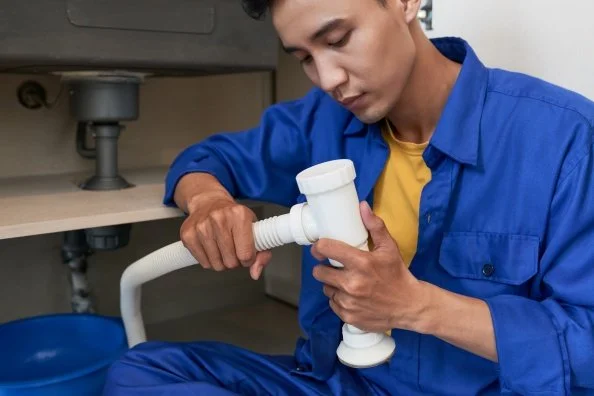
What Causes Sewer Line Bellies and Why They Lead to Recurring Backups
If your home experiences repeated drain problems even after professional cleaning, the issue may not be a simple clog. In some cases, the underlying cause is a “belly” in the sewer line. This condition occurs when a section of pipe sinks or sags, creating a low spot where wastewater and debris collect instead of flowing smoothly away from the home. Over time, this trapped material can lead to slow drains, foul odors, and persistent backups.
How Sewer Line Bellies Form
Sewer lines are typically installed with a consistent downward slope so gravity can carry waste toward the municipal system. When soil beneath the pipe shifts or compacts unevenly, portions of the line may settle. This creates a dip where water pools rather than moving along the pipe.
Several factors can contribute to this problem:
Natural soil settling over time
Poor compaction during original installation
Heavy surface loads from vehicles or construction
Ground movement caused by moisture changes
Aging pipe materials losing structural support
Once a belly forms, solid waste and grease tend to accumulate in that low section, gradually narrowing the pipe’s effective diameter.
Why Recurring Clogs Are Common
Because debris gathers in the sagged area, clearing the line may only provide temporary relief. Water can flow again for a short period, but material continues to collect in the same location. This explains why homeowners often experience repeated blockages in spite of cleaning efforts.
Warning signs of a sewer line belly may include:
Frequent backups affecting multiple fixtures
Slow drainage throughout the home
Gurgling sounds from toilets or drains
Sewage odors indoors or near the yard
Problems affecting several fixtures usually indicate an issue deeper in the main line rather than a single localized clog.
The Importance of Camera Inspection
A sewer camera inspection is the most reliable way to confirm whether a belly exists. By sending a specialized camera through the pipe, plumbers can identify low spots, buildup, cracks, or other structural issues. This diagnostic step helps ensure that the chosen repair addresses the root cause rather than just the symptoms.
Professional plumbers evaluate the pipe’s condition, slope, material, and accessibility before recommending a solution. In some cases, cleaning and maintenance may be sufficient if the sag is minor. More severe cases often require structural repair.
Repair Options for Sagging Sewer Lines
Traditional repair methods typically involve excavation to remove and replace the affected section of pipe. However, modern techniques may reduce the need for extensive digging. Depending on site conditions, homeowners may benefit from advanced trenchless sewer replacement methods that restore proper flow while minimizing disruption to landscaping and hard surfaces.
Trenchless approaches generally work best when the existing pipe still has a usable path for equipment and liners to pass through. A thorough inspection determines whether this option is appropriate for a specific property.
When broader system issues are suspected, a contractor offering comprehensive plumbing services for underground pipe problems can evaluate the entire line and recommend the safest long-term fix.
Preventing Future Sewer Problems
While not all bellies can be prevented, early detection can reduce the risk of major damage. Periodic inspections, prompt attention to slow drains, and avoiding excessive grease disposal help maintain system performance. If a property has mature trees or unstable soil, occasional monitoring becomes even more important.
For homeowners dealing with persistent backups, exploring modern no-dig sewer line replacement options may provide a durable solution with less disruption than traditional excavation.
Recurring clogs are frustrating, but they often signal a correctable structural issue. By identifying the cause early and choosing an appropriate repair method, homeowners can restore reliable drainage and avoid the stress of repeated plumbing emergencies.
Slow Drains Throughout the House: When It Points to a Sewer Line Issue
A slow drain in one sink is usually a minor inconvenience. But when sinks, tubs, and toilets across your home begin draining slowly at the same time, the problem often runs much deeper. Whole-house drainage issues can signal trouble in the main sewer line, not just a single fixture. Recognizing the difference early can help homeowners avoid messy backups, property damage, and emergency repairs.
Why Multiple Slow Drains Matter
Plumbing systems are designed so that individual fixtures connect to branch lines, which then feed into a main sewer line. When several fixtures show symptoms at once, the blockage or damage is typically somewhere in that main line.
Common signs of a main sewer issue include:
Water draining slowly from multiple sinks or tubs
Toilets that bubble or gurgle when other fixtures are used
Sewage odors coming from drains
Water backing up in lower-level fixtures such as showers or floor drains
These warning signs should not be ignored. As plumbing experts often note, problems that affect multiple fixtures usually indicate an obstruction or structural issue deeper in the system rather than a simple clog near the surface.
Common Causes of Main Sewer Line Problems
Several issues can restrict flow in a sewer line over time. Tree roots are a frequent culprit, especially in older neighborhoods where mature trees seek moisture from underground pipes. Grease buildup, aging pipe materials, ground movement, or collapsed sections can also narrow or block the line.
Slow deterioration often produces gradual symptoms before a full failure occurs. For example, recurring clogs that return soon after clearing may indicate that the pipe itself is damaged rather than simply obstructed. Regular inspections and maintenance can prevent these issues from escalating into major disruptions.
Why DIY Fixes Often Fall Short
Home remedies such as plunging or chemical cleaners may temporarily improve drainage in a single fixture, but they rarely address problems in the main sewer line. In some cases, harsh chemicals can even damage pipes, making the situation worse over time. Many authorities caution that certain drain cleaners contain corrosive ingredients that should be handled carefully.
When symptoms affect the entire home, professional evaluation is usually the safest course. A licensed plumber can perform a camera inspection to locate the exact source of the problem and determine whether cleaning, repair, or replacement is needed.
Modern Solutions for Damaged Sewer Lines
If the main sewer line is cracked, offset, or deteriorating, repair methods have improved significantly over the years. Instead of extensive excavation, many homes can be served by advanced trenchless sewer replacement solutions that restore function through small access points. These techniques often reduce disruption to landscaping, driveways, and hard surfaces while providing a durable long-term fix.
Trenchless approaches work best when the pipe still has a continuous path that equipment can pass through. If the damage is severe, other methods may be recommended. A thorough inspection helps determine the safest and most effective option for each property.
When to Call a Professional
Contact a plumbing professional promptly if you notice:
Repeated clogs across multiple fixtures
Sewage odors inside or outside the home
Water backing up into tubs or floor drains
Sudden changes in drainage throughout the house
An experienced team offering comprehensive plumbing services for whole-home drainage issues can assess the system, explain your options, and help prevent further damage.
Protecting Your Home Long Term
Whole-house slow drains rarely resolve on their own. Early action can prevent costly repairs, water damage, and health concerns. Periodic inspections, mindful disposal habits, and prompt attention to warning signs are the best ways to maintain a reliable plumbing system. If your home is showing signs of a main sewer problem, exploring modern no-dig sewer replacement options may help restore proper flow while minimizing disruption to your property. With the right diagnosis and solution, homeowners can regain peace of mind and keep their plumbing working smoothly for years to come.
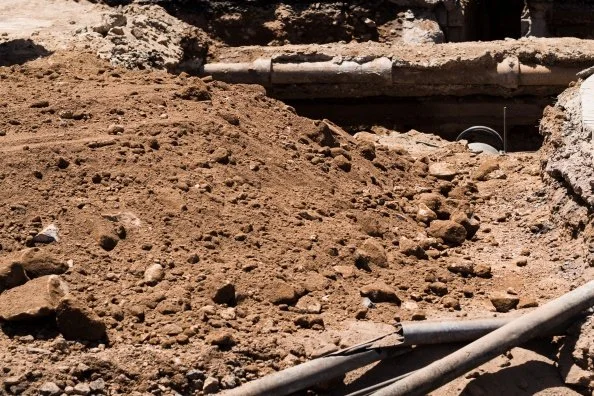
What to Expect Before, During, and After Trenchless Sewer Replacement
Trenchless sewer replacement can feel unfamiliar because much of the work happens underground with only small access points. The best way to reduce stress is to understand the timeline and what you need to do at each phase, from inspection to documentation.
Before Work Starts: Inspection, Scope, and Permits
Most trenchless sewer projects begin with a camera inspection to confirm the problem and determine whether lining, bursting, or another method makes sense. Your contractor should explain what failed, where it failed, and what will be repaired versus replaced. Ehret’s service page summarizes how trenchless methods work as an alternative to full excavation.
Permits matter because sewer laterals often cross public right of way. San Francisco Public Works, for example, describes side sewer permits and when they apply.
If you are unsure who is responsible for which segment of the lateral, SFPUC explains lateral responsibility and what to do when a lower lateral issue is suspected.
During the Work: Access Points, Protection, and Timeline
On the day of plumbing service, expect setup that protects the work area and creates safe access to the line. The crew may use existing cleanouts or create small entry points. Noise, equipment staging, and limited water use may be part of the day depending on the method selected. If your home has a single main line and the work requires temporary shutdown, plan errands, meals, and restroom needs accordingly.
A clear scope helps avoid surprises. If additional issues are discovered, ask what changed, what options exist, and how pricing will be documented before the plan expands.
After the Repair: Verification and Paperwork You Should Keep
Completion is not only “the line flows again.” You want proof of what was done. A post-work camera inspection is often the clearest record because it shows continuity, connections, and whether offsets remain. Ask what maintenance is recommended and whether roots, grease, or older branch lines require ongoing care.
If you are deciding how trenchless compares to traditional digging, this internal explainer covers why trenchless methods often reduce repair time and surface disruption. For cases where damage is limited, sewer cleaning and repair services may still be part of the solution set, especially when inspection shows a targeted problem instead of full failure.
Homeowner Checklist for a Smoother Project
Save inspection findings, photos, and a short timeline of symptoms.
Ask whether permits are needed and who pulls them for your jurisdiction.
Confirm access points, parking needs, and any temporary water-use limits.
Protect valuables near work areas and plan for a quieter day at home.
Request a post-work camera inspection record and keep warranties and invoices together.
Trenchless sewer replacement is usually easiest when you treat it as a documented process: confirm scope, confirm permitting, prepare for day-of access, and keep the after-work proof. When you have clear records, you reduce future confusion about what was replaced and make the next maintenance decision simpler.
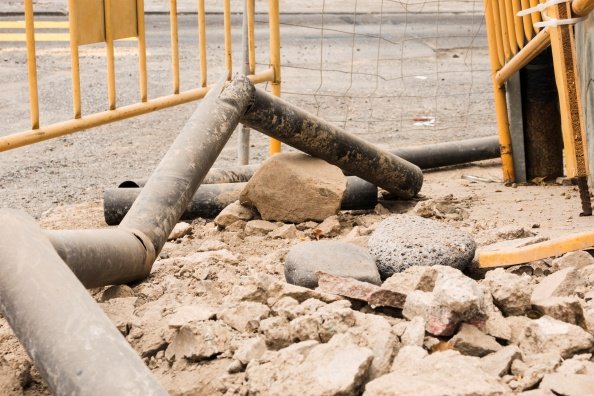
How Trenchless Sewer Replacement Affects Bay Area Home Resale Value
When buyers evaluate a Bay Area home, they are not only buying finishes. They are buying the hidden systems that keep the property functional, including the sewer lateral. Trenchless sewer replacement can reduce disruption and help address known sewer risks, but resale value impact is usually about deal certainty, not a big price premium.
Why Sewer Work Influences Sale Negotiations
A sewer problem can trigger inspection findings, repair credits, or delayed closing. In parts of the Bay Area, point-of-sale sewer lateral rules can also require inspection and repairs before title transfer, which turns sewer condition into a transaction issue. Some cities publish point-of-sale ordinance guidance, such as South San Francisco’s sewer lateral ordinance fact sheet.
What Buyers and Inspectors Want to See
Most buyers expect the sewer line to work. What changes negotiations is uncertainty. If a camera inspection shows offsets, roots, or collapses, buyers may ask for credits or demand repair before closing. If you can show a recent trenchless sewer replacement with permits, a warranty, and clear scope, you reduce the chance that sewer concerns become a bargaining lever.
Where Trenchless Methods Help the Most
Trenchless sewer replacement is often attractive for resale because it can limit yard, driveway, and hardscape damage compared with full excavation. That matters in dense neighborhoods where access is tight and restoration costs add up.
This trenchless sewer replacement overview explains the basic approach and why it is used as an alternative to traditional excavation. If you are deciding between repair and replacement, sewer cleaning and repair services can also be part of the decision tree when damage is limited.
How to Document the Work for a Cleaner Sale
Documentation is what turns a repair into a confidence signal. Ask for the camera inspection summary, the method used, the length and location of the replaced segment, and any warranty terms. Keep invoices and permits in one file. If the work involved pipe bursting or lining, note the materials and any recommended maintenance interval.
Seller Checklist for Resale Readiness
Request a post-work camera inspection record and save the video file.
Keep permits, invoices, and warranty terms in one folder for disclosures.
Note the method used, such as pipe bursting or lining, and the work limits.
Disclose any remaining concerns, like older branches, cleanouts, or access limits.
Share maintenance recommendations, including jetting frequency if advised.
Confirm compliance steps if your city requires a lateral certificate at sale.
A trenchless sewer replacement rarely adds headline value by itself, but it can reduce buyer fear, prevent last-minute renegotiation, and help you clear local compliance hurdles. The resale benefit is often a smoother transaction, fewer credits, and fewer surprises during inspection and escrow. In the meantime, repairing sewer lines can help prevent home damage related to clogged drains.
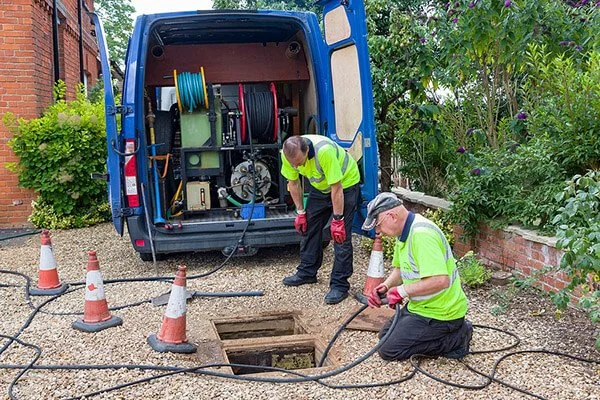
Is Trenchless Sewer Replacement an Option for Everyone?
For many Bay Area homeowners, the idea of digging up a yard, driveway, or mature landscaping to reach a broken sewer line is a nightmare. That’s why trenchless sewer replacement has become such an appealing alternative. Instead of opening a long trench, technicians rehabilitate or replace the pipe through small access points, often finishing work faster and with less disruption than traditional methods. Homeowners who explore trenchless sewer replacement services quickly see how much excavation they may be able to avoid.
But as convenient as it sounds, trenchless solutions are not automatically the right fit for every home. Whether it’s an option depends on the condition of your existing line, local rules, and how you weigh cost versus disruption.
What Makes Trenchless Sewer Replacement Different?
Traditional “dig and replace” methods expose the entire line so the old pipe can be removed and a new one laid in its place. Trenchless techniques, such as cured-in-place pipe (CIPP), pipe bursting, and sliplining, work from the inside of the existing line using small entry points. The EPA’s overview of trenchless sewer rehabilitation methods notes that these approaches can restore aging sewer lines while significantly reducing excavation and surface disturbance.
Situations Where Trenchless Options Work Well
Trenchless methods often shine when the pipe is damaged but not destroyed. If a camera inspection shows cracks, minor offsets, or root intrusion, CIPP can create a strong “pipe within a pipe,” restoring function while leaving yards and hardscape largely intact. Homeowners may be good candidates for trenchless work when they:
Have recurring backups tied to one section of pipe
Want to protect landscaping, concrete, or pavers
Need to keep disruption around driveways or walkways to a minimum
When Trenchless Replacement May Be Inappropriate
Trenchless approaches usually require that the existing pipe be sound enough for equipment and liners to pass through. It may not be the best option when:
The pipe has collapsed or is badly crushed
There are severe offsets or major sags in the line
Nearby utilities or structures make access extremely tight
Local codes restrict certain trenchless materials or methods
In those cases, open-cut replacement may be the only reliable fix. Local rules near the property line or municipal main can also influence which methods are allowed. In other situations, targeted sewer cleaning and repair services may be enough to restore function without replacing the entire line, especially when damage is limited to a short section.
How Local Plumbing Services Evaluate Your Options
A licensed plumbing contractor will typically start with a video inspection to see how long the problem section is, where it sits on the property, and how badly the line has deteriorated. A company that offers both traditional and trenchless sewer replacement can explain whether lining, pipe bursting, or open-cut replacement is the safer long-term choice for your particular layout.
They’ll consider pipe material, depth, slope, and where equipment can be staged. In some cases, they may suggest combining trenchless methods with small, targeted excavations at tie-ins or severely damaged spots, so you get a complete repair without unnecessary digging.
Cost, Disruption, and Long-Term Maintenance
Trenchless solutions can look more expensive on a per-foot basis than digging, but that number rarely includes the cost of putting a property back together. Replacing concrete, pavers, decks, or landscaping can quickly erase any apparent savings from open-cut work. For many homes, reducing disruption is worth a slightly higher upfront investment.
Trenchless methods are only one part of an overall plumbing services strategy. Regular inspections, periodic cleaning, and quick attention to slow drains, wet spots, or sewage odors can extend the life of any system. For homeowners who want a deeper technical perspective, reading about how trenchless sewer replacement reduces repair time can show how quickly well-planned projects can be completed compared with conventional digs.
Disclaimer: Every property is different. Recommendations and pricing require an in-person inspection of your specific sewer line and site conditions.
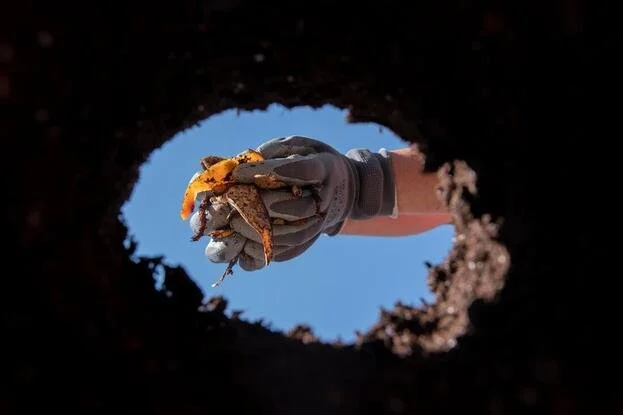
Pipe Lining vs Pipe Bursting in Trenchless Sewer Replacement
If your sewer line is failing, the biggest question is often whether you need a full dig or a faster alternative. Two popular no-dig options are pipe lining and pipe bursting. Both fall under trenchless sewer replacement, but they solve different problems and work best in different situations. Let’s take a brief look at trenchless sewer and how it can save you time, money, and apprehension.
Pipe Lining: Rebuild the Pipe From the Inside
Pipe lining is usually referred to as cured-in-place pipe (CIPP). A flexible liner is inserted into the existing pipe, expanded, and cured to form a new, jointless pipe within the old one. Lining is a strong choice when the pipe still has a mostly continuous path, and you want to avoid a large excavation. It can also be ideal when landscaping, patios, or hardscaping would be expensive to disturb.
Pipe Bursting: Replace the Pipe Entirely
Pipe bursting is different because the old pipe is broken apart while a new pipe is pulled into place behind it. This method typically needs small access pits rather than a continuous trench. The U.S. EPA describes the approach and common use cases in its pipe bursting fact sheet. Bursting is often chosen when a pipe is too damaged to serve as a stable “host” for a liner, or when you want the option to upsize the line for better capacity.
Which Option Fits Your Situation?
A good decision starts with your goals, the pipe’s condition, and what’s happening around it (trees, slabs, utilities, and access). The best trenchless sewer replacement plan is the one that fixes the root problem without creating new risks. Keep in mind that neither option is available in certain situations, and that can only be determined after a complete inspection of the site.
When Lining Makes Sense
Choose lining when the line is cracked, has root intrusion, or has minor offset joints, but the overall run is still intact. It’s also a good fit when you need minimal surface disruption and the existing diameter is adequate. A reputable plumber will help you determine whether this option is available and describe the steps that will be taken.
When Pipe Bursting is a Better Call
Pipe bursting can be a better fit when the pipe has major collapses, severe deformation, or sections that can’t be cleaned or shaped well enough to accept a liner. It’s also helpful if you need a brand-new pipe path in the same corridor and want to improve flow by sizing up.
Before you commit, a camera inspection can confirm the pipe material, locate bellies and breaks, and show whether roots are a symptom or the main issue. From there, professional plumbing services can explain tradeoffs in timeline, access points, and long-term performance. When trenchless sewer repair is an option, it has the potential to save a great eal of time and money.
Disclaimer: Every property is different. Recommendations and pricing require an in-person inspection of your specific sewer line and site conditions.
Trenchless Sewer Replacement Preserves Landscaping and Irrigation Systems

Sewer line issues are a common challenge for homeowners, often requiring disruptive excavation and causing damage to landscaping and irrigation systems. However, with advancements in technology, trenchless sewer replacement has emerged as a minimally invasive solution that preserves the aesthetic appeal of outdoor spaces. Today we will look at the benefits of trenchless sewer replacement and its impact on landscaping and irrigation systems.
Traditional Challenges of Sewer Line Replacement
Historically, sewer line replacement involved extensive excavation, disrupting yards and gardens. Traditional methods required digging deep trenches to access and replace damaged pipes. Not only did this process result in significant disruption, but it also posed a threat to landscaping features, including trees, shrubs, and delicate irrigation systems. The damage caused by excavation could take years to recover, impacting the overall aesthetics and functionality of the property.
Minimal Disruption
Preserving the integrity of landscaping features is one of the primary advantages of trenchless sewer replacement. With trenchless technology, the disruption is minimal. The access points required for the process are strategically located to reduce impact. This means that flower beds and other landscaping elements remain largely untouched. The preservation of mature trees is particularly noteworthy, as traditional excavation methods could harm them.
Irrigation Systems Remain Intact
Irrigation systems play a crucial role in maintaining lush lawns and thriving gardens. Traditional sewer replacement methods often put these systems at risk, leading to additional expenses for repairs and replacements. The precision of trenchless technology ensures that underground pipes, including irrigation lines, remain undisturbed. Homeowners can rest assured that their investment in efficient water distribution for their landscaping will be preserved as much as possible.
Cost-Effective and Time-Efficient
Beyond the preservation of landscaping and irrigation systems, trenchless sewer replacement proves to be a cost-effective and time-efficient solution. Traditional methods can incur substantial costs related to excavation, restoration, and landscaping repairs which are minimized with trenchless technology. Additionally, the trenchless process is considerably faster due to the reduced need for extensive digging. Homeowners benefit from quicker completion, minimizing the inconvenience associated with prolonged construction on their property.
A Greener Approach
In addition to its practical advantages, trenchless sewer replacement aligns with environmentally conscious practices. Traditional excavation methods involve substantial soil disruption, potentially leading to erosion and ecological imbalance. With trenchless technology, the reduced use of heavy machinery and the preservation of existing landscaping contribute to a smaller carbon footprint.
The efficiency of trenchless sewer replacement in preserving landscaping and irrigation systems makes it an attractive option for those who value their outdoor spaces. With trenchless sewer replacement, homeowners can navigate sewer line challenges without compromising the landscapes they’ve worked hard to create and maintain.
Trenchless Sewer Replacement is Ideal for Time-Sensitive Projects

In the realm of construction and infrastructure, time is often of the essence. Whether you’re working on a residential project or tackling a large-scale municipal endeavor, the need to complete the job swiftly while minimizing disruptions is critical. This is where trenchless sewer replacement proves to be a game-changer. It offers a host of advantages that make it the ideal choice for time-sensitive projects, allowing for efficient and rapid completion with minimal disruption.
Faster Project Completion
One of the most compelling reasons to opt for trenchless sewer replacement in time-sensitive projects is its speed. Traditional sewer replacement methods involve extensive excavation, which can be time-consuming and labor-intensive. In contrast, trenchless techniques like cured-in-place pipe (CIPP) lining expedite the process. CIPP lining involves creating a new, seamless pipe within the old one by inserting a resin-coated liner, which is inflated and cured. These trenchless methods significantly reduce project timelines, making them ideal for quick turnarounds.
Minimal Disruption
Traditional sewer replacement methods can be highly disruptive, involving extensive digging, excavation, and, in some cases, damage to landscapes or infrastructure. Trenchless sewer replacement methods, on the other hand, are non-invasive and cause minimal disruption to the surrounding environment. There is no need for extensive excavation or the removal of hardscape elements like driveways or parking lots.
Reduced Environmental Impact
Time-sensitive projects need to be efficient while also adhering to environmental regulations. Trenchless sewer replacement aligns well with these objectives, as it is an environmentally friendly approach. Traditional methods may result in the disposal of large amounts of soil and waste materials, which can harm the environment.
Cost-Effective
Time-sensitive projects often come with budget constraints, and trenchless sewer replacement is a cost-effective choice. While the initial cost of trenchless methods may be slightly higher than traditional ones, the overall savings in terms of labor, materials, and reduced downtime are significant.
Versatility in Project Scope
Trenchless sewer replacement is adaptable to a wide range of project scopes, from small residential jobs to large municipal or commercial endeavors. This versatility is particularly advantageous for time-sensitive projects, as it ensures that the chosen method can be customized to the specific needs of the job.
Longer Lifespan
Trenchless sewer replacement methods such as CIPP lining, provide pipes with a longer lifespan. The new, seamless pipes created through CIPP lining are highly resistant to corrosion and root intrusion, reducing the likelihood of future problems and extending the lifespan of the sewer system.
Trenchless sewer replacement is an ideal choice for time-sensitive projects due to its speed, minimal disruption, environmental friendliness, cost-effectiveness, versatility, longer lifespan, and effectiveness in emergencies.